Brevard Judo Academy Logo

Brevard Judo Academy

Welcome to Brevard Judo Academy, where adults of all experience levels can learn traditional Kodokan Judo in Melbourne, Florida. Judo is practiced year-round and is open to all adults regardless of gender, race, or experience level. Brevard Judo Academy is a registered USJA USJA Logo club.
Class Schedule:

Tuesday 7:30 PM to 8:30 PM

Thursday 7:30 PM to 8:30 PM

Dojo Location:

Located at Team Camilo Team Camilo Logo
6545 N. Wickham Road #104F
Melbourne, FL 32940-2056

Am I too old to start judo?

No. We have had students begin judo in their 80s and even their 90s.

Do I need to be in shape to start judo?

No, judo will help you get in shape.

What should I wear to my first judo class?

Wear comfortable athletic clothing if you don't own a gi.

What equipment do regular students need to purchase?

A judo gi (judo uniform)

Is judo safe?

Judo can be a very safe sport when learned under qualified supervision, though it carries inherent risks like any contact martial art. Safety begins with learning proper breakfalls (ukemi), understanding personal limits, and training in an environment that follows USJA safety standards.

How much does it cost each month to take judo?

Judo-only membership at Team Camilo Team Camilo Logo is $159 per month.
Membership that includes judo and all of Team Camilo's Team Camilo Logo martial arts programs is $179 per month.

How much teaching experience do the instructors have?

Chief Instructor David J. Ellis has more than 40 years of teaching experience. Wilfredo and Manon each have more than 30 years of teaching experience.

How many black belt ranks has the chief instructor awarded?

Within the last two years alone, he has awarded at least four black belt ranks through the USJA. During his teaching career, he has awarded at least 10 black belt ranks through the USJA and USA Judo.

How do I sign up for a trial class?

Just arrive a few minutes before class, complete a short registration form, and you're ready to train.

Is parking available at the dojo location?

Yes, free parking is available.

Ready to see if judo is right for you?

Curious but not ready to join? Stop by any Tuesday or Thursday at 7:30 PM. Watch a class, meet the instructors, and ask questions. There is no obligation, and first-time visitors are always welcome. No appointment is required.

Building discipline and confidence through traditional judo.
Return to the top of the page

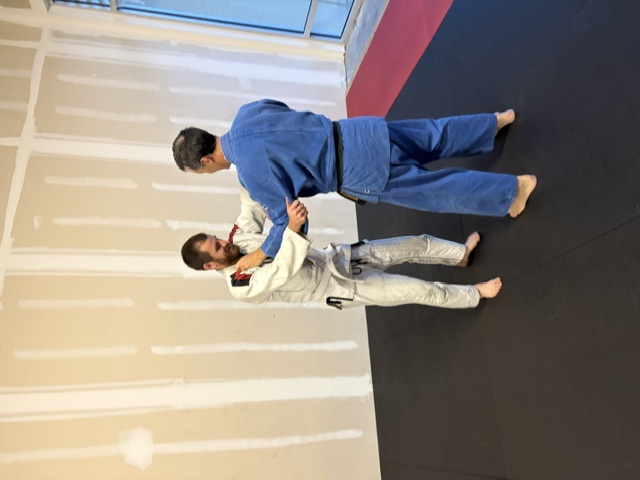
Judo instructor Mike teaching a beginner at Brevard Judo Academy

Why Adults Choose Brevard Judo Academy

  • Traditional Kodokan Judo — Learn authentic judo based on the principles established by Jigoro Kano.
  • Adult-only classes — Train with other adults in a focused, supportive environment.
  • Beginner-friendly instruction — No experience is necessary; new students are welcome.
  • USJA-registered club — Train at a recognized club with nationally recognized rank opportunities.
  • More than 50 years of judo experience from our chief instructor — Learn from an instructor with over five decades of experience on the mat.

Return to the top of the page

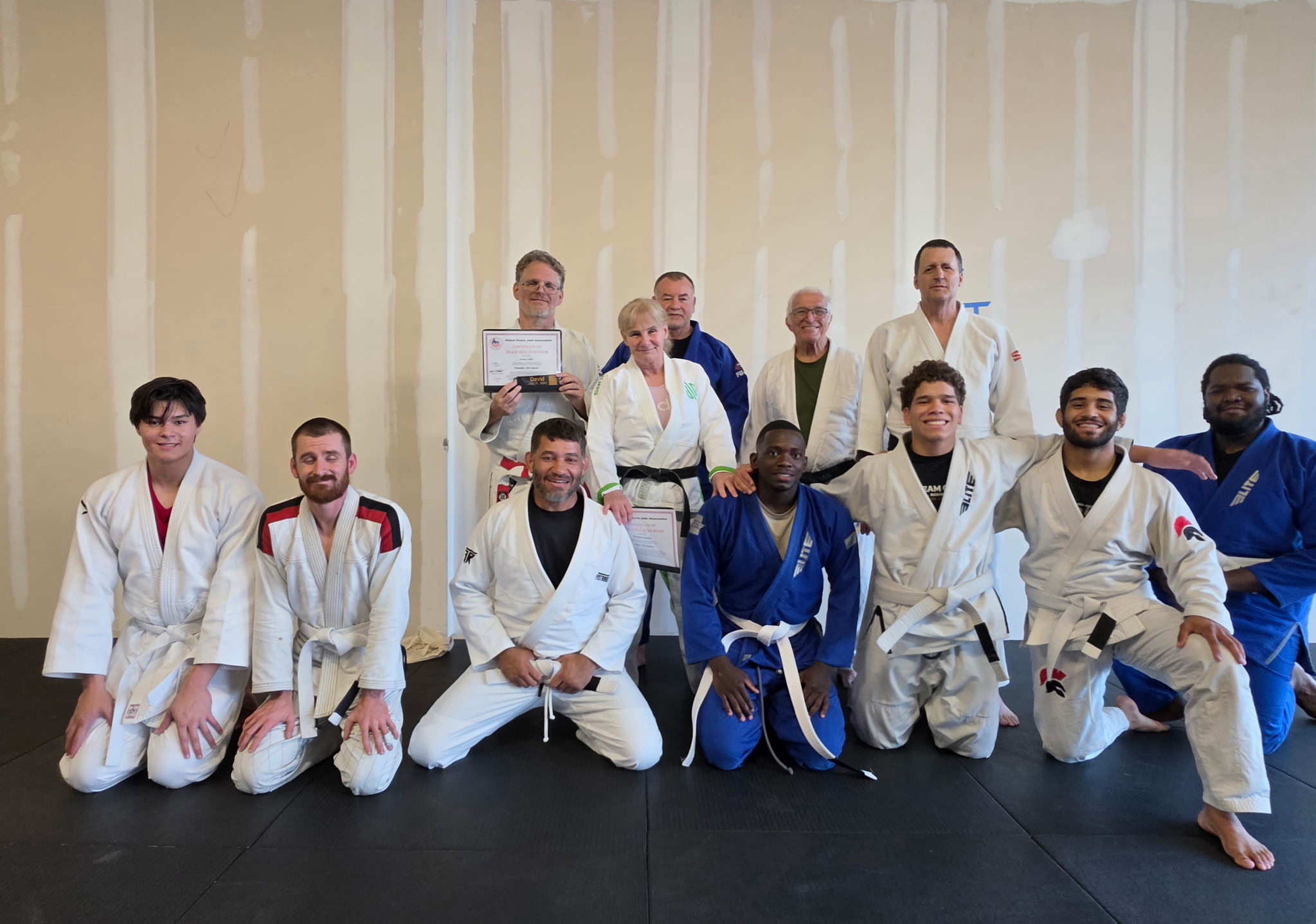
Brevard Judo Academy Judo Class 02 July 2026

New to Judo?

Never trained in martial arts? Perfect.
Over the years, we have taught adults ranging from complete beginners to experienced martial artists. You don't need to be in great shape, and you don't need to know anything before your first class. Our instructors teach beginners safely and progressively at a pace that is comfortable for you.

Return to the top of the page

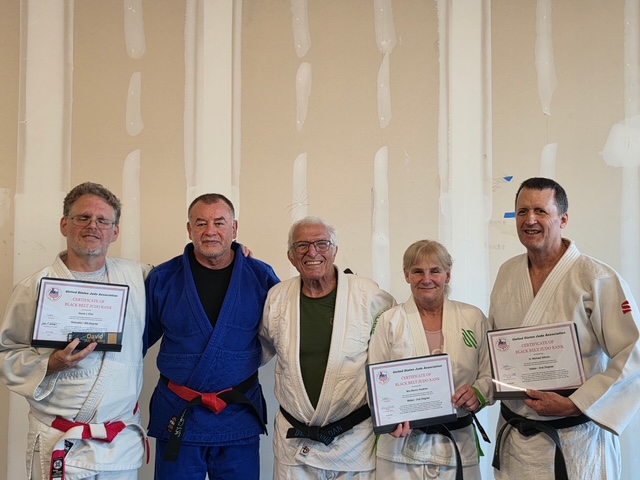
Most of Brevard Judo Academy Instructors on 02 July 2026

What to Expect at Your First Class

Your first class
Meet your judo instructors.
Learn how to fall safely.
Watch or participate at your comfort level.
Wear comfortable athletic clothing if you don't own a gi.

Return to the top of the page

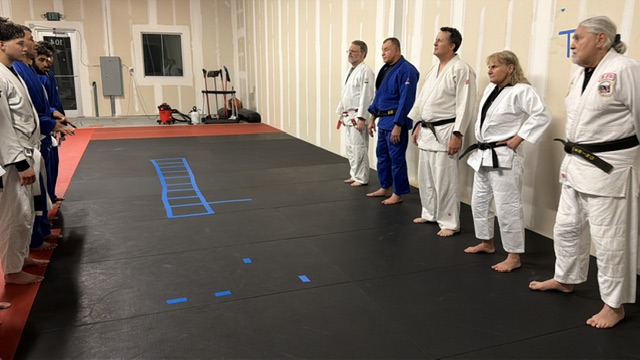
Brevard Judo Academy Instructors in front of students

Is Brevard Judo Academy Right for You?

We welcome adults who want to:

  • Learn Kodokan Judo
  • Improve fitness in a practical way
  • Build confidence
  • Learn effective self-defense skills
  • Train for recreation or competition
  • Challenge themselves mentally and physically

You do not need prior martial arts experience.
You do not need to be in shape before you start.
You just need to be willing to learn.

Return to the top of the page

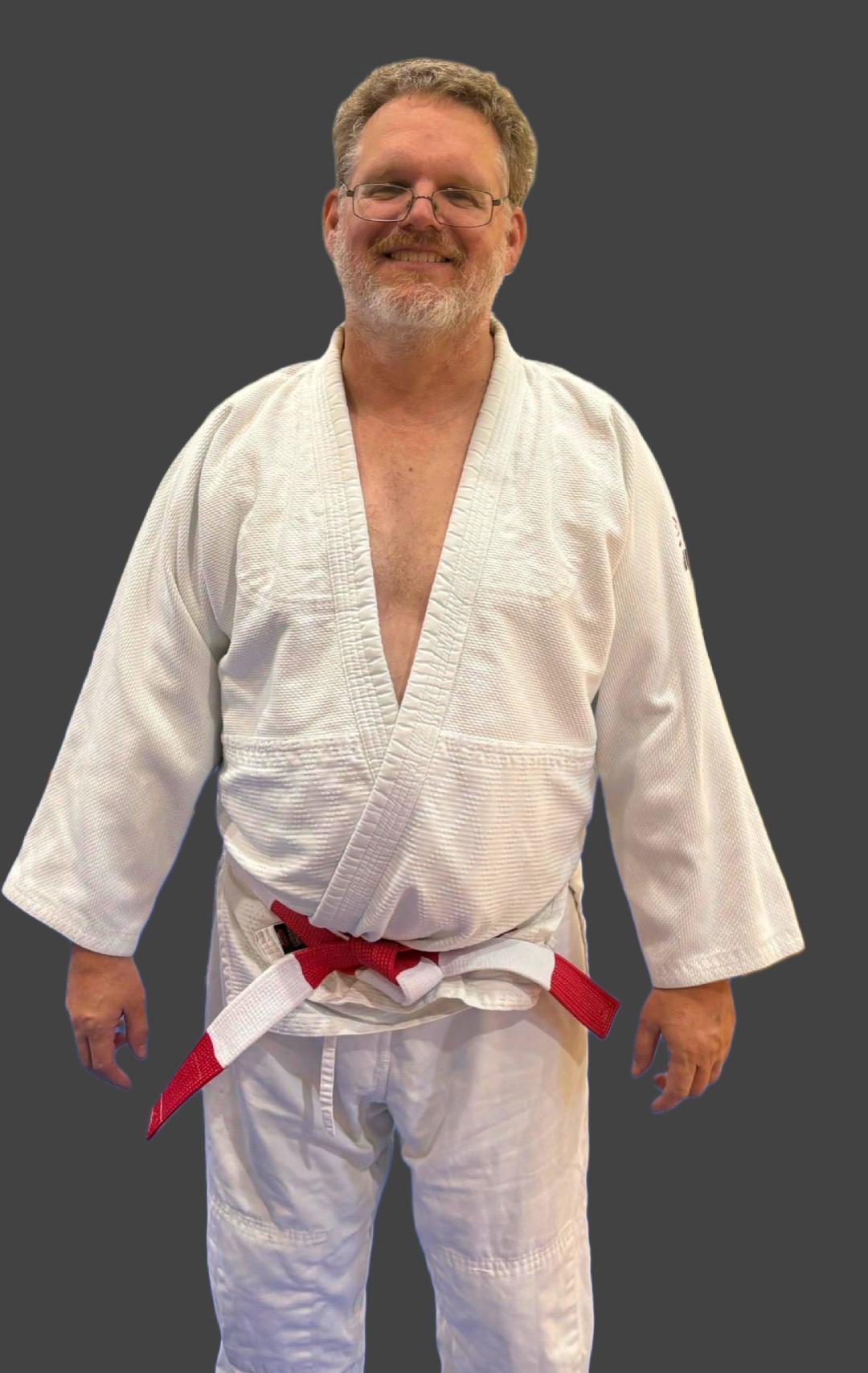
David Ellis picture

Highlights of Chief Instructor David J. Ellis’s Judo Career

51+ years of judo
Rokudan (6th Degree Black Belt)
Continental IJF referee
USJA certified coach
40+ years teaching beginners
National tournament experience in both shiai (competitive judo event) and kata (pre-arranged forms)

Return to the top of the page

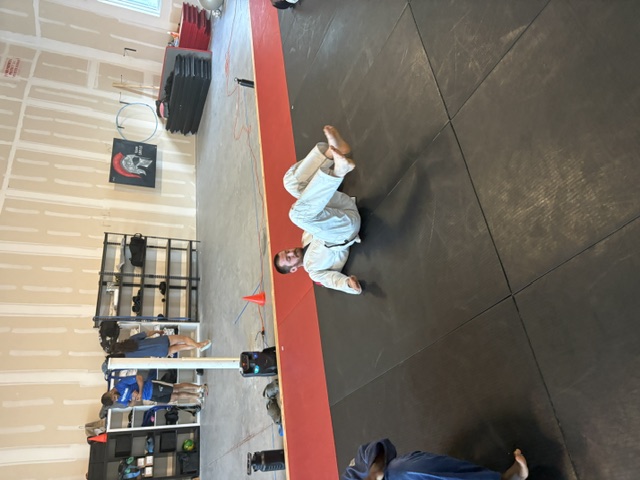
Student at Brevard Judo Academy doing a back fall

Google Reviews

"David is a wonderful teacher. I highly recommend him for anyone wishing to start their judo journey or elevate their current skill in the art!"
— Jennifer Larsen (Google Review)

"Awesome. Spectacular. Amazing. Come get thrown at Brevard Judo Academy and learn how to throw other people."
— Kai Rittgers (Google Review)

Return to the top of the page

Japanese kanji representing the word judo

What is Judo?

The word "judo" is derived from two Japanese characters: Ju (meaning "gentle") and Do (meaning "way"). Judo has also been translated as the "Way of Flexibility." Dr. Kano explained that judo is based on the principles of "maximum efficiency" (seiryoku zenyo) and "mutual benefit and welfare" (jita kyoei), with the ultimate goal being the "harmonious development and eventual perfection of human character."

Judo is an Olympic martial art that teaches balance, discipline, throws, pins, and confidence in a structured environment.

Return to the top of the page

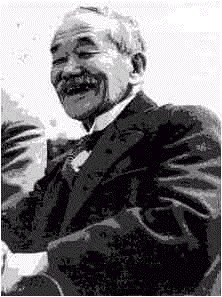
Professor Jigoro Kano

Judo History

The history of judo traces back to the late twelfth century when Chinese monks, forbidden by their religion from using weapons, introduced to Japan unarmed combat techniques they had developed to defend themselves. These techniques were incorporated into many of the Japanese Bujutsu (martial arts) and led to the development of a technique which concentrated on unarmed techniques, called Jujitsu. By the beginning of the 17th century (1600), Japan entered a period of relative peace. This, coupled with the introduction of modern weapons, resulted in the traditional Bujutsu falling into disuse. The systems of unarmed combat became many and varied, completely lacking in standards and regulation.

Many of the traditional martial arts were revived in corresponding, but less violent, Budo, or martial ways. Professor Jigoro Kano, a student of many of the old masters, set out to revive a course of instruction based on Jujitsu. In Tokyo, in 1882, he established a school, which he called the Kodokan, in which he instructed in his new forms, which he called judo. Professor Kano started out with nine pupils.

Although judo techniques probably first arrived in this country during the late nineteenth century with the Japanese immigrants, the formal introduction came in 1904 when Mr. Yamashita of the Kodokan visited to demonstrate and teach judo to Americans. President Theodore Roosevelt was one of his students, setting up a dojo (practice hall) in the White House. Interest in judo rose following World War II, when returning soldiers and marines brought home the techniques they had been taught for fighting the Japanese in hand-to-hand combat. In 1952, the AAU first recognized judo as a sport. The following year saw the first National Championships at San Jose State College in California. The first Olympic judo competition for men came at the 1964 Tokyo Games, with full Olympic recognition of the sport for men coming in 1972 at the Munich Games. Olympic competition for women was added in 1992 at the Barcelona Games.

Return to the top of the page