Brevard Judo Academy
Why Bowing Matters in Judo
Published by David J. Ellis
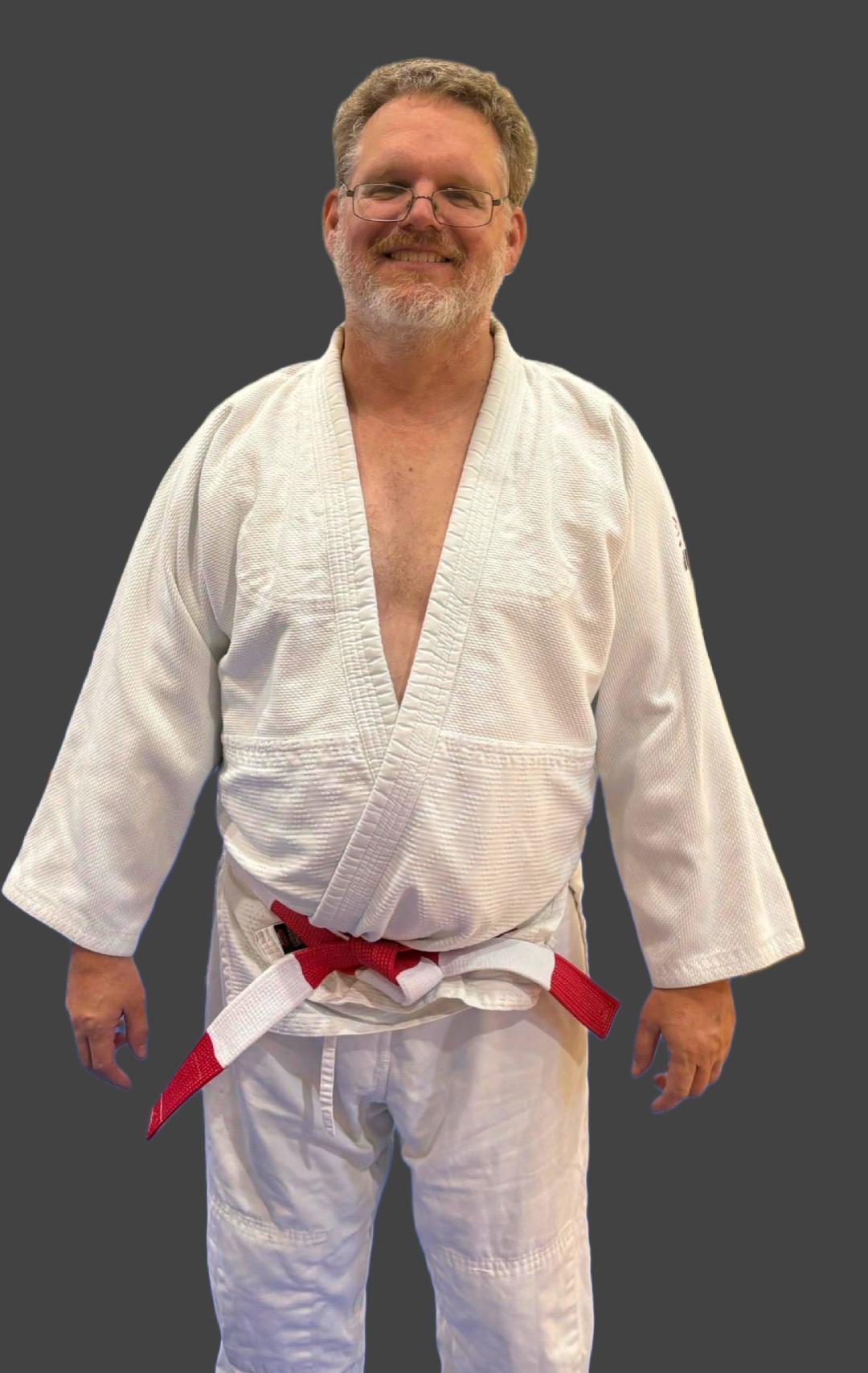
Chief Instructor
Brevard Judo Academy
If you've never stepped onto the mat at Brevard Judo Academy, one of the first things you'll notice is that everyone bows. Students bow as they enter and leave the dojo, before stepping onto the mat, before practicing with a partner, after training together, and again when class ends. To someone watching from the outside, it may seem like just another tradition. In reality, bowing is one of the most important parts of judo.
Bowing, known as rei in Japanese, is a sign of respect. It shows appreciation for your training partners, your instructor, the dojo, and the art of judo itself. Every person on the mat plays a role in helping others improve. Without training partners willing to practice together, learning judo wouldn't be possible.
At Brevard Judo Academy, students also bow when entering and leaving the dojo. This simple act reminds us that the dojo differs from the outside world. When we step through the door, we leave behind the distractions of work and daily life and enter a place dedicated to learning, self-improvement, and mutual respect. When we bow as we leave, we show gratitude for the opportunity to train and for everyone who helped us become better that day.
I remember a conversation I had years ago with a black belt who told me he would not bow to a picture of Dr. Jigoro Kano because he believed it was a religious act. That conversation stuck with me. It also reminded me that people can interpret traditions differently. From everything I have learned through years of training, teaching, and studying judo, bowing has never been about worship. It is a gesture of courtesy and respect, much like shaking someone’s hand or saluting the flag. The bow acknowledges the founder of judo, your instructors, your training partners, and the dojo where you learn.
Dr. Jigoro Kano founded Judo in 1882. While he developed an effective system of throws, holds, pins, and submissions, he also believed that judo should build character. Respect, self-control, humility, and responsibility are just as important as physical skill. Bowing reminds us of those values every time we train.
When two judoka bow before practice, they are making an unspoken agreement. They are promising to train safely, help each other improve, and take care of one another. Judo techniques can be demanding, but with trust and mutual respect, students can practice confidently while reducing the risk of injury.
At the end of practice, another bow says something just as meaningful: "Thank you." Whether your partner was a beginner or a black belt, they helped you become a better judoka. Every throw received, every escape attempted, and every round of randori is another opportunity to learn.
Bowing also teaches humility. No matter how experienced someone becomes, there is always something new to learn. Every student, from white belt to black belt, follows the same traditions because respect is never earned once—it is practiced every day.
Some people unfamiliar with martial arts believe bowing is an act of worship. It is not. In judo, bowing is a traditional expression of respect and etiquette. It reflects gratitude, humility, and appreciation for those who make our training possible. You are not praying to anyone—you are recognizing the values and traditions that have helped shape judo for over 140 years.
These lessons extend well beyond the dojo. Students who develop habits of respect, courtesy, and self-discipline often carry those qualities into their workplaces, families, and communities. That is one reason so many adults discover that judo is about becoming a better person as much as becoming a better athlete.
At Brevard Judo Academy, bowing is far more than a tradition. It reminds us that every class begins with respect, every training partner deserves our best effort, and every practice ends with gratitude. Whether you are stepping onto the mat for the very first time or have trained for decades, that simple bow reflects the values that make judo unlike any other martial art.
Respect is where every lesson begins.
Experience the Tradition for Yourself
If you've been thinking about trying judo, there's no better way to understand its traditions than by stepping onto the mat yourself. At Brevard Judo Academy, adults of all experience levels are welcome—from complete beginners to experienced martial artists looking to continue their journey.
Come visit a class, meet our students, and experience firsthand the respect, discipline, and community that have made judo one of the world's most respected martial arts.
Contact Brevard Judo Academy today to learn more or schedule your first visit. We look forward to welcoming you to the dojo.